Wednesday, February 12, 2020

Seed Banks and Seed Diversity


In the old days, a man’s riches were not found in his bank, but in his food bank, which was measured by the amount and diversity of his seeds.

Before there were supermarkets and cheap transportation, the food security of a family depended on their ability to grow and raise food of their own. Their seeds needed to be carefully saved and protected so they would have food to grow the next year.
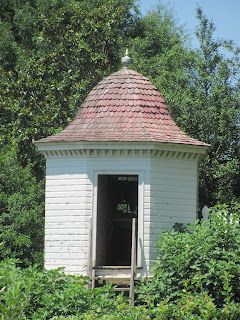
Seed storage house at Mt. Vernon
In the book, Animal, Vegetable, Miracle, Barbara Kingsolver writes, “According to Indian crop ecologist Vandana Shiva, humans have eaten some 80,000 plant species in our history. After recent precipitous changes, three quarters of all human food now come from just eight species, with the field quickly narrowing down to genetically modified corn, soy, and canola.”

We are massively losing the diversity of our food system, and seed banks aim to preserve that diversity.

Seed banks preserve our heirloom and open pollinated seeds. Open pollinated seeds allow the plants to breed true to their parentage, which allows growers to save the seeds and replant them every year.

This cannot be done with hybrid and GMO seeds, which are bred for one-time-use for one growing season.

One benefit of seed banks is that they allow growers freedom within the food system. When growers have access to these heirloom varieties, they can grow and save these seeds for the rest of their lives and pass them down to future generations.

Many hybrid and GMO seeds are bred for traits that make them grow faster, produce more, and ship well. Heirlooms are known for their incredible flavors and are more nutrient dense.

I was so excited that my family had a chance to visit the seed bank at The Farm at Prophetstown. They started their heirloom seed bank a year ago and received a grant to purchase heirloom seeds to add to their seed bank. This past weekend they opened up the seed bank for anyone to come and choose from a huge variety of seeds, and take sample packets home to grow themselves.

I knew I’d be drawn in before we got there because I love learning about different seed varieties, but I was delighted to see my girls were absorbed too, fingering through the seed packets, reading the descriptions, and looking for something that interested them to grow for 4-h this year.

The Prophetstown staff was warm and welcoming. They made us feel like family and encouraged us to take seeds, only asking that we would share some of seeds with the seed bank the following year.

The setup was well organized and beautiful. As people came in and asked questions, the staff was incredibly knowledgeable. Several people shared stories of their own gardening experiences and even brought in seeds they’d grown and saved from Prophetstown from the year before.

I ordered all the seeds we needed for market back in January (the free sample packets provided from Prophetstown are not to be used for monetary gain), but I always grow a test plot of new heirlooms every year. I do this because I love vegetables and for the adventure of trying something new, but also to save seeds for our own mini seed bank, to preserve the history and stories of these old varieties, and to participate in the freedom of our food system.
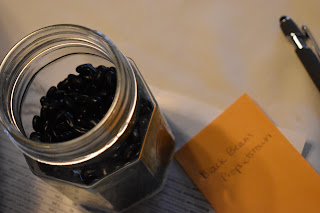
I grabbed a few black beans to grow in my 2020 test plot
I encourage you to seek out a seed bank near you, participate in a seed exchange, or buy a packet of heirloom seeds.
Plant them. Grow them. Eat them. Save them. Share them. By doing this you will preserve the integrity, history, and diversity of our food system.

*special thanks to the staff at Prophetstown, who were so kind to let me come in early and take some pictures!

Saturday, February 1, 2020

DIY Seed Germination Chamber


For the first several years that we gardened, we started our seeds very simply. We purchased the flats with the clear tops, planted our seeds, and stacked them in our living room, bedroom, laundry room, you name it. The main problem we faced was that only around 50% of the seeds we planted would germinate. If we wanted to have fifteen roma tomato plants, we would have to plant at least 30 seeds to make sure we would get enough plants.

The price of seeds adds up quickly, and we wanted to make the most of the money we spent, so we purchased a couple of heated seed mats. The germination rates still didn’t seem any better with the mats.

When we started taking our produce to the local farmers market, we knew something would have to change. Not only were we purchasing large quantities of seed, but also several different varieties of vegetables to offer our customers. We didn’t want to keep wasting half of our seed, so we started to look at different options to increase the germination rates.

In January of 2019, I got call from James… he had a surprise. Now, I’ve learned over our years of marriage that when James says he has a surprise, not to necessarily assume it will be something like flowers. It’s best to assume that whatever it is, I will truly be surprised!

This time, it was a broken down freezer.

James rescued it from a coworker who was getting rid of it, and declared that all our problems were solved because we officially owned a giant seed starting chamber.

The set-up for the chamber was easy. We needed a temperature controller, a crockpot, a thermometer, and a drill bit.

James used the drill bit to drill a hole in the lower part of the freezer, so we could fit the electrical cord from the crockpot and the cord from the thermometer through it. Once that was done, we filled one of my small crockpots with water and set it on low. We plugged our temperature controller into the outlet, set it for our desired temperature, and attached the crockpot cord to the heat setting of the temperature controller.

 Now, you could just use a crockpot without the temperature controller, however, when we tested it with a normal thermometer, it actually made the freezer too hot. The temperature controller will turn the crockpot off it gets too hot and will turn it back on when the temperature dips too low.

It was a great deal for us! The freezer was free and kept something from going into a landfill, I already had the crockpot, and the temperature controller cost just under $40.

We are on our second season using our giant germination chamber, and not only are we getting almost 100% germination, but our seeds also germinate really quickly. Typically it would take 2-3 weeks for our tomato and pepper seeds to germinate, but with the germination chamber it takes 3-4 days for our tomatoes to germinate, and 5-7 for our peppers to germinate!

If you start a lot of your own seeds, I would highly recommend putting together your own germination chamber. It’s cheap and reliable, and a great way to kick start your growing season!

Saturday, September 28, 2019

Garden Reads- The Dirty Life

When someone comes up to me at market and says they don’t like tomatoes, I like to think they just haven’t found the right tomato yet. Some shoppers have never had a tomato outside of the grocery store (those rock hard, sort of red things from the grocery definitely don’t count) or they’ve never tried anything except a red tomato. Tomatoes come in all different colors, from almost white to orange to green to black, and in all sorts of flavors. We grow ones that are so sweet they’re almost like eating candy, tart tomatoes with a sharp bite, and tomatoes so rich and complex, they’re like a fine wine.
I always thought I didn’t like memoirs. During my college years, I was introduced to some pretty boring ones and few that were so wordy and over-the-top that the stories became unbelievable. A couple years ago the memoir The Dirty Life by Kristin Kimball came across my path. Guess what? I loved it! Turns out I just hadn’t found the right memoir yet.
I’ve been rereading The Dirty Life this September as my “busy mom read”. It’s tucked in my purse to read during the quiet moments between the craziness of life. I’m also rereading it because this October Kimball’s second memoir, Good Husbandry, comes out and tells the story of their next five years on the farm. I am counting down the days until it comes out, which is something I never thought I would say about a memoir!
In The Dirty Life, Kimball shares about her experience falling head over heels for a farmer during an interview for an article. She abandons her city life to marry him and start a farm and CSA in upstate New York. Her story is hilarious as she is thrown into the world of country living, and pulls at your heart as she describes the struggles they face throughout the first year. Most of all, I’m drawn to the way that she describes food. Reading her words makes me want to run out to the garden and grab everything I need to replicate the delicious dishes they create from the food they grow and raise on their farm. It also makes me want to get a dairy cow in the worst way!
If you love food or farming or both, then I highly recommend this book!

Tuesday, July 16, 2019

Zucchini Pizza Bites


One of the questions I always get asked at the farmers market is, “Do you eat the vegetables you grow?”

Customers who think they’re really sneaky will turn to the kids with a skeptical look and say, “Do you eat these vegetables?”

No matter which member of the Austin family you ask, we always say yes, because we love the veggies from our garden. Besides, what’s the point of growing it if you aren’t going to eat it?

These zucchini pizza bites are one of our favorites in the summer when zucchini is plentiful, and they are much fresher and healthier than any frozen pizza item you can get at the store. They’re super easy to throw together for a light lunch or evening snack, they’re budget friendly, and they’re so good… even the kids will eat them. ;)


Ingredients

1-2 small zucchini or summer squash

Marinara sauce

Mozzarella cheese

Your favorite pizza toppings diced into small pieces


Directions


Pre-heat the oven to 400 degrees.

Slice zucchini into rounds and place on a baking sheet.


Spread the zucchini slices with a small spoonful of marinara.


Sprinkle on mozzarella cheese.


Top with your favorite pizza toppings.


 Place the baking sheet on the middle rack of the oven. Bake for 15 minutes or until the cheese is golden brown and bubbly. Enjoy!


Tuesday, December 11, 2018

December on the Acre


It’s the time of year where a delicate blanket of snow covers the once flourishing vegetable patches of our little acre. The heavy lifting is done, and our work consists of reading gardening books, planning for the 2019 garden market year, and my favorite, decorating the garden for Christmas. 


We began the prep for the winter months in late summer, when we sowed cover crops like hairy vetch, oats, and clover into some of our beds. The cover crops protect the soil from erosion during the blustery winter months, add nutrients to the beds, and break down into a mulch, which makes for lovely soil when spring comes. In late October and early November, we cleared out the beds, added compost to them, and used mulch and black plastic to “tuck” the garden in for the winter.

Now that the garden is tucked in, we’ll be tucked inside enjoying the veggies that we spent all summer growing, canning, freezing, and drying.

May you have a peaceful and joyful holiday season! We’ll see you in 2019!

Monday, July 2, 2018

Shell Peas


Shell peas are time consuming to shell, but the burst of sweetness you get when you eat them is well worth the effort. I freeze my peas in early summer and mourn the day I run out of them in the winter, because you can’t find that same flavor anywhere else in the grocery store. Shell peas fresh out of the garden are so sweet, they taste like candy.

Shell peas are like corn. Everyone says you need to have the water boiling for corn before you go out to pick it, because the minute you pick it, it starts losing sweetness. Once you pick shell peas, the sugars start converting to starch, and that beautiful candy-like flavor is lost.

I recommend growing your own peas. They are super easy to grow, and can be grown vertically to save space, as well as in containers. As soon as you pick them, you want to shell them and prepare them for a meal or to freeze.

If you pick them up at the farmer’s market, don’t be afraid to ask the farmer when they were picked. Most of us pride ourselves on offering super fresh veggies and are more than happy to answer that question! Shell peas should be picked the day before or the day of market, if they are older than that they are still perfectly usable but may not have the same great flavor as fresher ones.

Look for peas that are bright green and plump. Yellowing shells indicate that they are old and if they aren’t plump, you won’t have any peas to eat!

Once you are ready to freeze them, you need to shell them. The pods on shell peas are not edible, so you will want to open them up, pop the seeds into a bowl and discard the shells. (Theses are great for your compost!)

Once all of your peas are shelled, then you want to cover them with water and bring them to a boil. As soon as they peas come to a boil, take them off the heat and pour them into a strainer. It’s best to shock them in an ice bath, but I don’t always have ice on hand, so I run cold water over them to keep them from continuing to cook. Once the peas are cooled, put them into freezer bags, mark what they are, and place them in the freezer to enjoy all winter!


Easy peasy!

Friday, June 15, 2018

Carrie's Market Picks June 2018

Two of my top picks for the farmer's market this week come as a result of helping my cousin Ali and her husband Jonah at Teter Organic Farm last summer. Jonah introduced our family to kohlrabi and a variety of turnips called Hakurei turnips. As avid vegetable lovers, we couldn't believe what we had been missing out on in the vegetable world!

When we planned our garden and decided what we would sell at our market for 2018, we made sure to include plenty of kohlrabi and Hakurei turnips!

Our June market booth

If you are out and about, and looking for something fun to try this week from your farmer's market, I suggest picking up these three things...

1) Kohlrabi- this vegetable kind of looks like an alien head, but it has a delicious cabbage-like flavor and an incredible crunch. Our favorite way to eat it is to cut it into sticks and dip it in ranch, which is super refreshing on a hot day! We also love to toss slices of it with olive oil, salt, and pepper, and grill it for dinner.


2)Hakurei Turnips- these are amazing turnips. They are sweeter and less starchy than the turnips we've all grown up with, and are a great on salads or roasted in the oven. They also make a beautiful addition to a crudité platter.


3) Romaine Lettuce Heads- If you can find full heads of lettuce, they are beautiful and vibrant. The leaves are great for salads, wraps, and grilled with a drizzle of green goddess dressing (or whatever your favorite dressing may be)!


Hope you get to try some of these fun vegetables this season!